
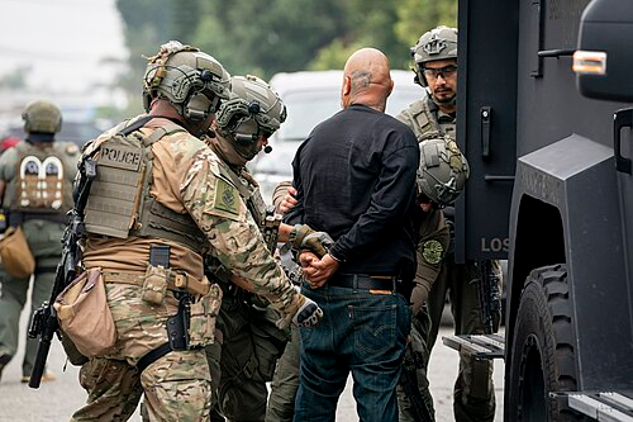
Picture an army built like a flexed bicep: loud, showy, and forever spoiling for a fight. It looks tough on a poster and brittle in the field. Macho warriorism sells a fantasy of courage that confuses swagger with strength, noise with competence, and impulse with leadership. Modern defense runs on capacity—trained people, reliable logistics, clear law, disciplined restraint, and smart alliances. Bravado burns that down. It wastes talent, invites errors, and turns neighbors into enemies. If we want a force that wins in the real world, we have to retire the costume and fund the craft.
In This Article
- What macho warriorism is and why it fails modern war
- How bravado weakens discipline, cohesion, and lawful restraint
- The talent drain: recruitment, retention, families, and mental health
- Strategy first: logistics, intel, cyber, and the long game
- What to build instead: competence, ethics, and real capacity
The Cost of Macho Warriorism: Strong Arm, Weak Strategy
by Robert Jennings, InnerSelf.comMacho warriorism is theater. It’s a performance—one part chest-beating, one part recruitment poster. It sells the illusion of the lone soldier avenging some insult to honor, while confusing adrenaline with readiness. But war, as any veteran will tell you, isn’t about who can shout the loudest. It’s about systems—coordination, logistics, timing, and the discipline to hold restraint under fire.
Armies don’t win on slogans; they win when the railcars move, the radios connect, and the fuel shows up where it’s needed. Swagger might pump up a rally, but it doesn’t move a convoy. When the image takes over the mission, mistakes get framed as courage—and that road ends in body bags.
The Mirage of Strength
Real strength isn’t loud. It’s organized. It’s patient. It knows that capacity—not ego—defines readiness. The best commanders understand that sleep schedules, maintenance checks, and supply routes are worth more than speeches. However, macho culture often overlooks those quiet disciplines. It punishes honesty.
It ridicules competence that doesn’t strut. And in doing so, it burns through the very cushion that keeps people alive when the chaos hits. The result is predictable: more accidents, more cover-ups, more headlines the enemy can use. This not only undermines the mission but also endangers the lives of our personnel. Big noise, small margin—that’s not toughness. That’s drift.

Discipline, Law, and the Edge of Restraint
Every professional military lives beside catastrophe. The only thing separating a lawful mission from a moral disaster is restraint—those so-called “boring” procedures that keep chaos from spilling over. Macho warriorism treats those rules as red tape. It scoffs at legal briefings, treats the rules of engagement like fine print, and dismisses prudence as cowardice.
But law and restraint aren’t shackles; they’re the fences that keep the herd from running off a cliff. Without them, a single rash act can ignite an entire region. With them, civilians live, allies stay, and legitimacy holds. It’s not glamorous, but it’s the difference between order and anarchy.
History has repeatedly shown this to be true. The soldiers who rehearse restraint—the ones who practice escalation control and respect whistleblowers—don’t just act ethically; they win more sustainably. They preserve trust, protect their ranks, and avoid handing their adversaries propaganda victories. That’s not softness—it’s strategic intelligence. Courage without discipline is just recklessness with better PR. And in the age of instant communication, public perception is a crucial part of our strategy.
The Talent Drain Behind the Uniform
The macho culture pretends to attract the strong, but it quietly drives away the skilled. The people you most need—the analysts, the medics, the cyber teams, the engineers, and yes, the women who bring professionalism and precision—see the posters, hear the jokes, and walk away. Families follow. A diverse and inclusive military not only reflects the society it serves but also brings a variety of perspectives and skills that are crucial for our success.
Even the best men—the ones who prize mastery over ego—get tired of pretending that empathy and competence are somehow unmanly. So they leave. The empty spaces they leave behind don’t make the force tougher; they make it hollow.
We pay for that in silence: in suicides that spike, in drinking that numbs, in harassment that drives people out before their second tour. Macho culture doesn’t cause every wound, but it blocks the cures. It shames therapy. It mocks caregiving. It treats fatigue like weakness instead of a warning sign. You can’t build a modern force by humiliating the humans who make it contemporary. The battlefield may reward stamina, but the system requires sanity.
The Long Game of Real Power
Armies don’t win on heroics; they win on logistics. They win when rail lines operate, fuel flows, and communication networks remain intact under jamming. They win with cyber teams who open invisible doors, not with Instagram reels of explosions.
Macho warriorism overvalues the spectacle—the special operations montage, the press-conference sound bite—and undervalues the quiet, unglamorous work that actually sustains a mission. It glorifies the strike but ignores the warehouse. It celebrates the unit patch but forgets the factory that forged the parts. And when the machine seizes up under strain, it acts surprised.
Real strategy is adult supervision of power. It says: Conserve your strength. Choose your fights. Align your ends with your means. It doesn’t confuse motion with progress or dominance with security. It funds maintenance as seriously as munitions.
It values allies not as props but as logistics partners. And it remembers that supply lines, not slogans, decide the war’s tempo. Endurance wins. Bravado exhausts. That’s the lesson every empire forgets right before the fall.
What We Should Build Instead
It’s time to retire the costume and keep the courage. Build a force where dignity isn’t an afterthought. Start with competence—reward it, promote it, protect it. Teach ethics like you teach marksmanship. Praise restraint as the more complex skill it is.
Select leaders who can hold a steady tempo without burning their people out. And when the scandals come, as they will, publish the fix instead of burying the evidence. Make honesty the first aid kit, not the liability form.
If readiness really matters, then invest in what’s missing: medics, engineers, electricians, coders, families. Fund the base housing, not the billboard. Put child care and mental health on the readiness scorecard. Publish those numbers every month, the same way you report training hours. When a system runs smoothly, soldiers don’t need slogans to feel proud—they can see the results in how well the machine operates.
The real strong arm doesn’t flex—it builds. It builds stability, discipline, and systems that outlast adrenaline. It values intelligence over image, logistics over theater, cooperation over dominance. True courage isn’t loud. It’s calm under pressure. It’s lawful when others lose control. It’s the steady hand that keeps the convoy moving while the crowd is shouting for drama. Strong arm. Smart head. Steady spine. Pick all three. The world already has enough noise. What it needs now is competence with a conscience.
About the Author
 Robert Jennings is the co-publisher of InnerSelf.com, a platform dedicated to empowering individuals and fostering a more connected, equitable world. A veteran of the U.S. Marine Corps and the U.S. Army, Robert draws on his diverse life experiences, from working in real estate and construction to building InnerSelf.com with his wife, Marie T. Russell, to bring a practical, grounded perspective to life’s challenges. Founded in 1996, InnerSelf.com shares insights to help people make informed, meaningful choices for themselves and the planet. More than 30 years later, InnerSelf continues to inspire clarity and empowerment.
Creative Commons 4.0
This article is licensed under a Creative Commons Attribution-Share Alike 4.0 License. Attribute the author Robert Jennings, InnerSelf.com. Link back to the article This article originally appeared on InnerSelf.com
Recommended Books
The Soldier and the State: The Theory and Politics of Civil–Military Relations
A classic on civil-military relations that explains why professional restraint, not theatrical bravado, keeps democracies strong and their militaries effective in the long run.
Team of Teams: New Rules of Engagement for a Complex World
An operations-level look at how adaptability, information flow, and trust beat top-down orders and macho posturing when the environment moves faster than your org chart.
On Killing : The Psychological Cost of Learning to Kill in War and Society
A sobering exploration of the psychology of lethal force and why training, discipline, and ethical frameworks matter more than romantic myths about “natural warriors.”
Article Recap
Macho warriorism is noise that breaks machines. Modern defense runs on capacity: trained people, lawful restraint, logistics, intel, and allies. Bravado burns talent, feeds scandal, and starves the long game. Build competence. Reward restraint. Fix bottlenecks fast. Fund families and pipelines. Strategy is adult supervision of power, and power without supervision explodes in your hands.
#MilitaryReadiness #CivilMilitary #Logistics #RuleOfLaw #TalentRetention #Strategy #NationalSecurity #Allies #CyberDefense #Leadership